
Hot summers, lightning storms, and older Metro Atlanta homes make electrical safety especially important here. Many houses built in the 1970s and 1980s have electrical wiring, fuse boxes, or panels that were not designed for today’s electronics, HVAC loads, EV chargers, and major appliances.
Electrical safety is crucial for protecting lives and property, as faulty wiring and overloaded circuits can lead to fires and electrical shocks. Ensuring electrical safety in residential properties in Georgia requires a strict combination of up-to-date code compliance, proper safety device installation, and routine homeowner maintenance. By taking a proactive approach to electrical safety, homeowners can avoid risks such as electrical fires and equipment damage, ensuring a safe living environment.
Walk through your house at least twice a year and look for electrical hazards before they become emergencies.
Routinely checking the core infrastructure of electrical systems helps prevent hidden hazards from escalating. If you notice damaged wiring, buzzing, burning smells near electrical equipment, or repeated breaker trips, call a licensed electrician. Ragsdale can inspect your home’s electrical system, including circuit breakers, labels, grounding, bonding, light fixtures, smoke alarms, and outlets.
Smoke alarms must be hardwired with a battery backup and interconnected to ensure that if one alarm triggers, they all sound simultaneously.
Everyday electrical devices, electrical cords, and extension cords create many home risks. Extension cords should be used strictly for short-term tasks and must not be run under carpets or through closed doors to prevent overheating. Never staple a cord, hide a power cord under rugs, or route extension cords through walls.
Regularly checking and replacing damaged power cords is essential to prevent electrical hazards such as fires and electrocution. Replace frayed appliance cords, cracked appliance cords, loose plugs, and damaged power cords instead of taping them.
Overloading electrical outlets is a common cause of electrical fires, so it’s important to avoid plugging too many devices into one outlet. Outlet overloading should be eliminated by not using multi-outlet converters or power strips for high-draw appliances, allowing only one heat producing appliance into a single outlet at a time. Proper day-to-day handling of outlets minimizes the risk of accidental electrical fires.
Installing Ground Fault Circuit Interrupters (GFCIs) in areas prone to moisture, such as bathrooms and kitchens, can significantly reduce the risk of electric shocks. Ground-Fault Circuit Interrupters (GFCIs) must be active in all high-moisture locations including kitchens, bathrooms, garages, crawlspaces, and outdoor spaces. ground fault circuit interrupters should be tested monthly using the built-in “Test” and “Reset” buttons to ensure protection in wet areas.
Safe electrical appliances habits improve home electrical safety. Always follow appliance instructions to improve both the performance of your device and your personal safety. Follow appliance instructions, appliance instructions, and manufacturer’s instructions for installation, cleaning, clearance, and temporary use.
Give your appliances proper space for air circulation to avoid overheating and potential fire hazards. Ensuring proper air circulation around appliances can help prevent overheating and reduce the risk of electrical fires. In plain terms, appliances proper space means dryers, refrigerators, microwaves, and a heat producing appliance need proper space away from walls, cabinets, heated surfaces, and other heated surfaces.
Using the correct wattage in all fixtures and appliances can prevent electrical problems and overheating. If a lamp or lighting fixture is unmarked, use a 60-watt or lower light bulb equivalent, preferably LED.
Unplug all unused appliances to reduce potential risks, including overheating and power surges. Unplugging unused appliances can help prevent overheating and reduce the risk of electrical fires.
No point along a countertop boundary in kitchens should be further than 2 feet from an outlet, and receptacles on kitchen islands must be pop-up units. If your kitchen needs additional outlets, use a qualified electrician.
Water and heat are two common fire hazards in Georgia homes. Keeping electrical devices and outlets away from water is crucial to prevent electric shock and damage to appliances. Do not use hair dryers, radios, chargers, or electrical equipment near sinks, tubs, laundry areas, swimming pools, or hose bibs.
Keep boxes, clothes, dust, and lint away from water heaters, heaters, exhaust fans, and other equipment. Clean bathroom and kitchen fans so motors can breathe. Place appliance cords where they cannot touch hot pans, space heaters, or other heated surfaces.
Severe weather brings power surges, downed power lines, flooded yards, and damaged outdoor outlets. Stay away from overhead lines, service drop wires, aluminum poles, and fishing lines near power lines. Report hazards to georgia power or your local utility.
Using surge protectors for valuable electronics can help protect them from power surges, which can cause significant damage to devices and appliances. A whole-home surge protection device must be installed at the main electrical panel to protect appliance circuits and sensitive electronics from high-voltage spikes. Whole-home surge protectors plus point-of-use surge protectors offer improved electrical safety.
All outdoor receptacles must feature weatherproof covers that protect the outlet even when an electrical cord remains plugged in. Electrical equipment should never be used outdoors while barefoot or in damp conditions, and outdoor-rated extension cords should be used with GFCI-protected circuits.
Georgia’s updated building codes enforce strict protection rules across the home. The Georgia Department of Community Affairs mandates that all residential electrical work align with the Georgia Minimum State Construction Codes, which enforce the 2023 National Electrical Code alongside specific Georgia State Amendments. Residential electrical safety should be ensured by adhering to the state-adopted National Electrical Code, hiring licensed electrical contractors for permitted work, and maintaining safe outlet habits.
Call a licensed electrician for panel upgrades, new circuits, EV chargers, hot tubs, HVAC wiring, repeated trips, two-prong outlets, aluminum branch wiring, or knob-and-tube wiring. Outdated wiring, especially in homes built before the 1980s, poses a higher risk of fire and should be replaced to ensure safety. Replacing faulty wiring immediately is crucial to prevent electrical fires and improve the efficiency of your electrical system.
Upgrading an older electrical panel can ensure that your system can safely handle the demands of modern appliances, reducing the risk of electrical fires and outages. There must be a clear space around the main service breaker box, and every single breaker should be clearly labeled with its corresponding room or appliance. All openings in breaker boxes or junction boxes must be capped to prevent physical contact with live components.
Arc-Fault Circuit Interrupters (AFCIs) are required on virtually every branch circuit supplying outlets and lighting throughout the home and detect dangerous electrical sparking. For complex upgrades or structural changes, it is recommended to hire a licensed electrician who is up to date with the latest code iteration. In Georgia, a legal electrical permit must be obtained from the local city or county building department for any major renovations, panel upgrades, or new circuit runs. Homeowners are allowed to perform certain wiring on their property, but the work must be fully inspected by the local Authority Having Jurisdiction before being connected by utility companies.
At Ragsdale Heating, Air, Plumbing & Electrical, we help Georgia homeowners prevent electrical hazards with practical guide recommendations, repairs, and safety tips that fit real homes.
Our services include electrical safety inspections, switch and outlet replacement, panel repair, panel upgrades, lighting, ceiling fans, whole-home surge protection, and troubleshooting electrical problems. We also check grounding, GFCI and AFCI protection, breaker labeling, fire safety concerns, and equipment condition.
With 24-hour customer service, financing options, long parts and labor warranties, and our Complete Comfort Maintenance membership, we make it easier to care for your electrical, HVAC, and plumbing system together. If you live in Dallas, Loganville, North Georgia, or Metro Atlanta, contact Ragsdale to schedule an electrical safety check.
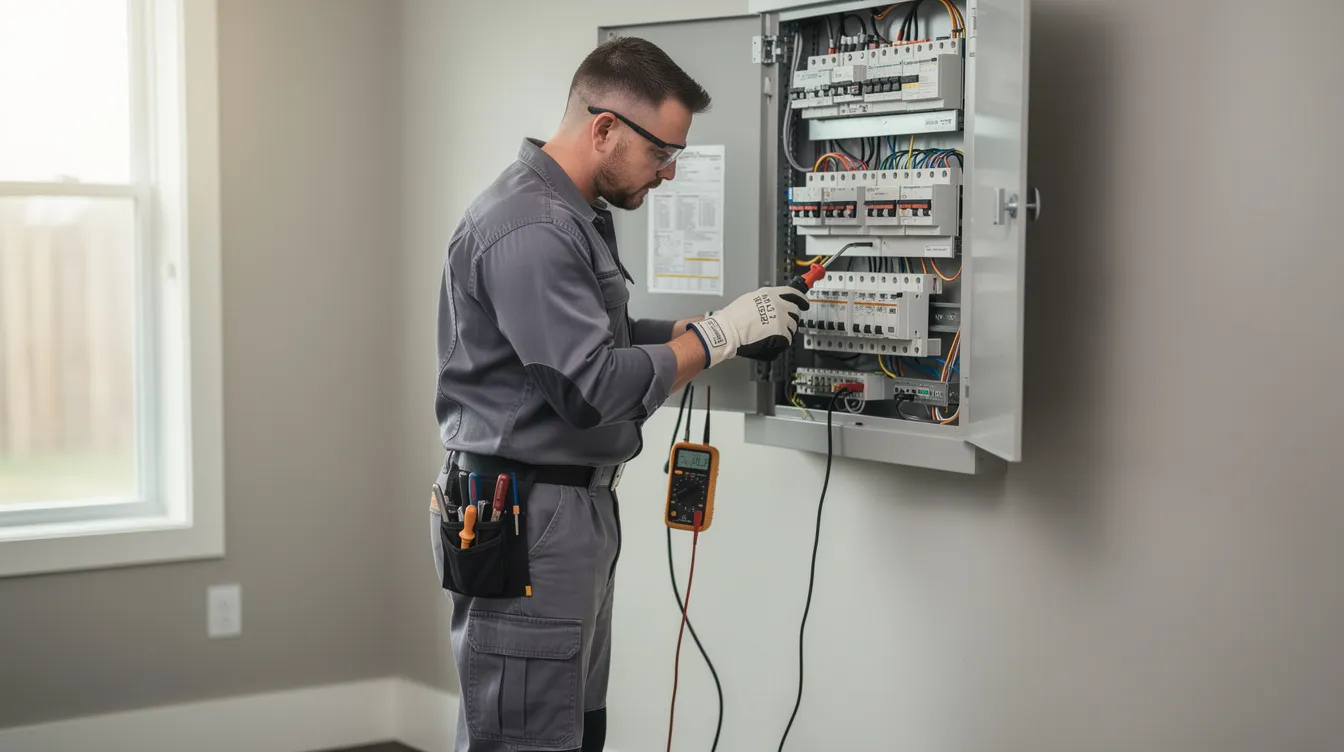
Regular inspections of your home’s electrical system by a licensed electrician every 3-5 years can help identify hidden issues and recommend necessary upgrades to meet current safety standards. Older homes built before about 1990 often benefit from inspections every 3 years, especially before renovations, after storm damage, or when buying a home.
Yes, if the heater has tip-over and overheat protection, is plugged directly into a wall outlet, and stays at least 3 feet from anything that can burn. Do not use power strips or extension cords with space heaters.
Unplug some devices, reset the breaker once, and watch what happens. If it trips again or keeps tripping over time, call Ragsdale. Do not replace the breaker with a larger one without professional diagnosis.
No. Basic power strips add outlets. Surge protectors absorb excess voltage from power surges. Look for a UL listing and joule rating, and replace plug-in protectors after major storm events.
Some homeowners can replace simple light fixtures or switches only if power is off, wiring is known, and instructions are followed. If there is new wiring, old wiring, no ground fault protection, uncertainty, or permit concerns, call a licensed electrician.
Receive updates, current news, promotions, and industry tips.